Communion, Eucharist, the Lord’s Supper, Breaking of Bread, the Love Feast – names from various Christian traditions all referring to the same thing.
When we come to the Lord’s table, we partake of bread and wine. By doing so, we are engaging in an ancient liturgical meal laden with deep symbolism that goes back to around 1400 BC.
For centuries, the Jews had been enslaved in Egypt. God sent Moses. It took ten plagues to convince Pharaoh to allow them their freedom. The final plague was of a disease of some sort that swept through the land taking the lives of the first-born sons in every household.
But there were exceptions. The Jewish people were instructed to pack up, get ready to leave, and prepare a lamb in each household. The blood of the slaughtered lamb was to be spread over the doorways. Then, they were to invite anyone who wanted to join them for a meal of lamb and unleavened bread.
The death-plague passed over all the houses marked by blood. The people of Israel and all their Egyptian friends left, following Moses through the Sea of Reeds, out into the wilderness, and to Mount Sinai. From there, they were miraculously provided for as they were lead through the wilderness, through the waters of the Jordon River and into the Promise Land. This was the exodus.
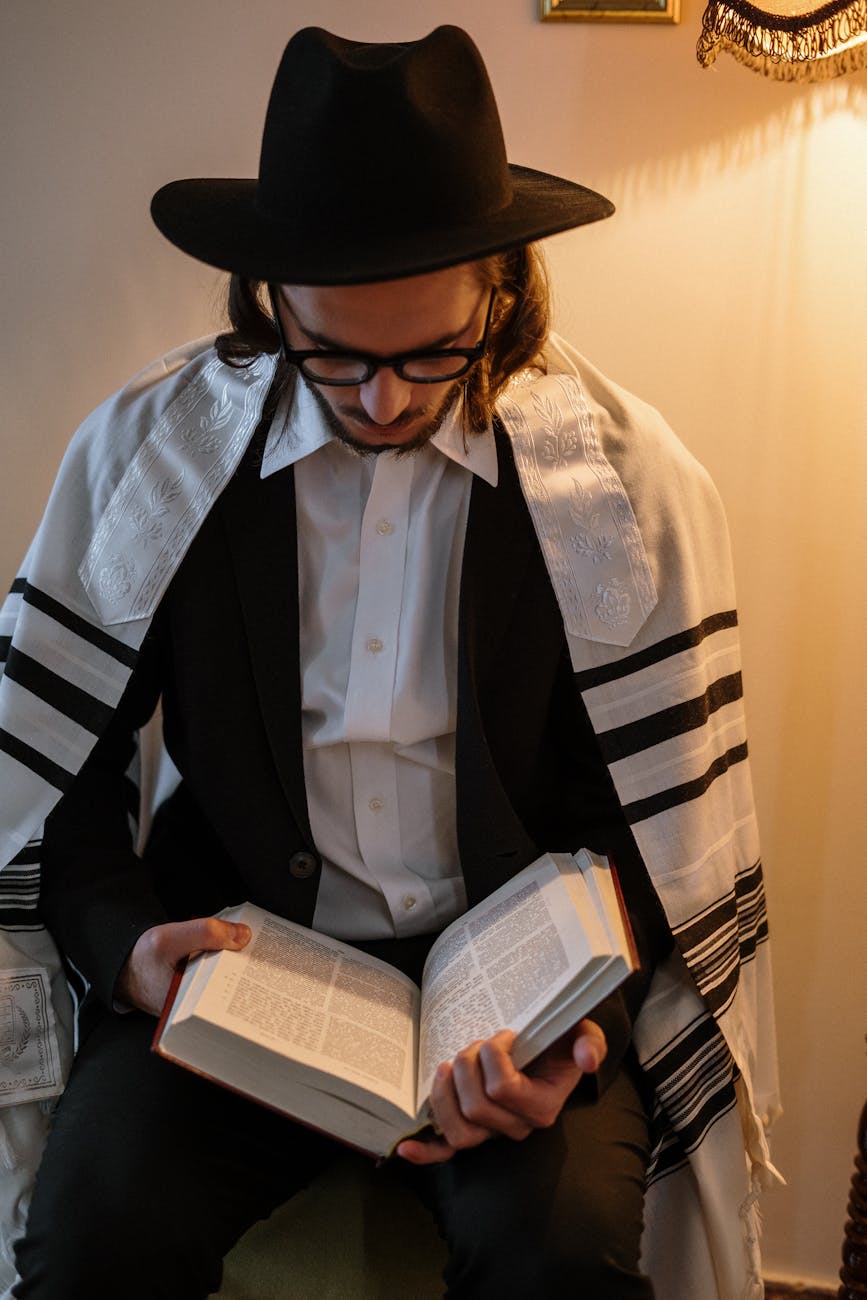
Ever since, Jewish families remember and celebrate this story at Passover. Together, they have a liturgical meal, hear the story retold, and give thanks to God. Passover is the first day of a seven-day feast called the Feast of Unleavened Bread. (Bread without leaven symbolized the haste in which their ancestors left Egypt – no time to allow the bread to rise.
Jesus and all his original followers were Jewish. Jesus purposely arranged to be in Jerusalem during Passover. Passover began, as it always does, at sundown on the 14th of Nisan (an ancient name of a month in the spring). In the morning, Jewish homes would be slaughtering lambs and setting tables.
Most likely in the middle of this particular night, Jesus called his followers together to partake of the ritualistic meal.
He took the bread, gave the traditional blessing of thanksgiving – Baruch ata Adonai, Eloheinu Melech ha-olam, hamotzi lechem min ha’aretz. Blessed are You, Lord our God, King of the universe, who has brought forth bread from the earth.
Then he added, “This bread is my body broken for you.”
Bread is the staff of life. It speaks of sustenance, nourishment, nutrition. Jesus was later that same day to have his body broken on a Roman gibbet. His death on the cross gives life to all who receive.
Jesus lifted up the third of four cups of wine, the cup of blessing, and gave thanks – “Baruch atah Adonai, Eloheinu Melech haolam, borei p’ri hagafen.” “Blessed are You, Lord our God, King of the universe, Creator of the fruit of the vine.”
And then, he added, “This cup is my blood (or, the new covenant in my blood) shed for you.”
The color of wine reminds us of blood, of life. Referring to Isaiah 53, Jesus said his life-blood was to be poured out for our many sins. Flayed by the scourging whip, crowed with thorns, and nailed to a cross, he poured out his blood for us. All sin is atoned for. It is off the table. It is forgiven.
After the Passover meal, Jesus went to a garden on the side of the Mount of Olives called Gethsemane. There, he agonized in prayer, was arrested and taken to an illegal mock trial. The officials handed him over to Rome and demanded his death. Pilate acquiesced. The Son of Adam (a phrase for the Messiah taken from Daniel 7) was tortured and crucified. From the cross, he forgave those who betrayed and crucified him.
By dying on the cross at precisely the time when Jewish families were slaughtering their Passover lambs, Jesus, the Lamb of God, plunged into the flood of sin and death to deliver us, not from Pharoah or Rome, but from the satan, the principalities and powers that have their hooks of sin and death in all of us.
“Do this,” Jesus said, “in remembrance of me.”
 The Word in Focus with Dr Larry Taylor
Leave a comment